
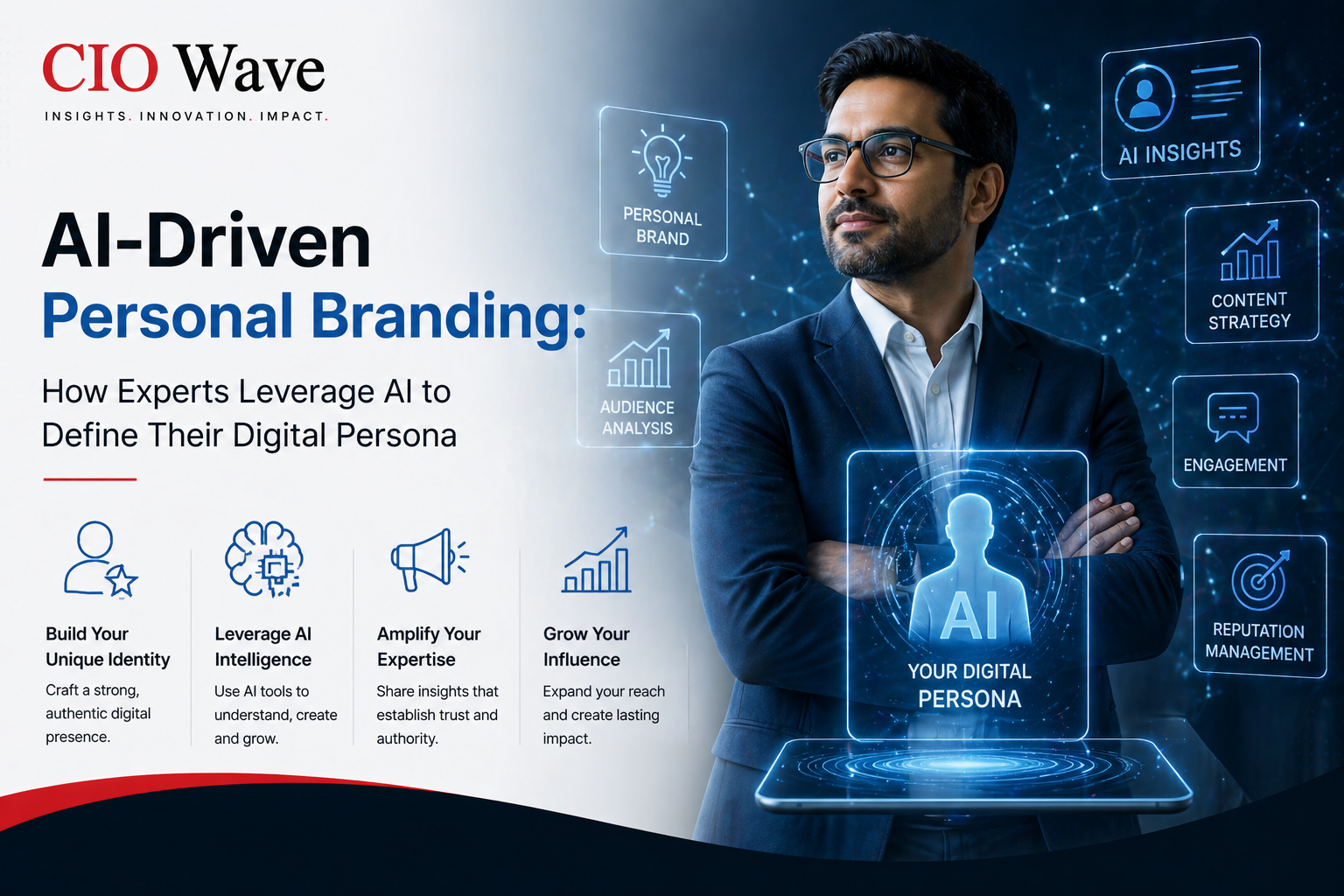
In the current
digital age, personal branding is more than a LinkedIn profile or a Twitter bio;
it's a key element of professional achievement. With the ongoing development of
artificial intelligence (AI), professionals are using AI tools to augment their
personal brands, produce content, and connect with their publics better. From
automated content creation to AI-powered analytics, technology is
revolutionizing the way individuals build and sustain their web presence.
The
Emergence of AI in Personal Branding
Personal
branding previously involved immense work in content curation, interaction with
supporters, and upholding a uniform digital image. AI now makes these tasks
easier, simplifying the process for professionals to demonstrate their skills,
establish credibility, and elevate visibility. AI-based applications are able
to assist with everything from managing social media to creating blog posts,
individualizing interaction, and interpreting audience patterns.
1.
AI-Driven Content Creation
Creating
compelling content consistently is one of the biggest challenges in personal
branding. AI-powered tools like ChatGPT, Jasper, and Copy.ai help professionals
generate high-quality blog posts, social media updates, and newsletters with
minimal effort.
• Automated
Writing: AI can draft articles, social media captions, and video scripts,
reducing the time professionals spend on content creation.
• Tone and Style
Adjustments: AI applications can adjust writing to comply with a given
tone—formal, informal, or persuasive—providing consistency across every
platform.
• SEO
Optimization: AI-powered tools such as Surfer SEO and Clearscope assist experts
in optimizing their content on search engines to enhance visibility and
accessibility.
2.
Boosting Social Media Presence
Social media is
an essential aspect of personal branding. Artificial intelligence-driven
websites such as Buffer, Hootsuite, and Lately review engagement metrics and
recommend the most effective posting times, along with the content most
appealing to an audience.
• Automated
Scheduling: AI software posts content for maximum engagement, creating a constant
online presence.
• Content
Recommendations: AI reviews audience interests to recommend content that is
related to a professional's niche.
• AI-Based Image
and Video Editing: Applications such as Canva's AI image editing and Descript's
AI video editing assist professionals in creating beautiful content with little
effort.
3.
Customized Interaction with AI Chatbots
Interaction with
followers is needed for personal branding, yet responding to each comment and
message consumes time. Virtual assistants and AI-powered chatbots assist in
preserving meaningful interactions while conserving time.
• Automated
Responses: AI platforms such as Drift and ManyChat offer instant replies to
questions, thus ensuring timely responses.
• Sentiment
Analysis: AI can scan comments and messages to pick up sentiment, enabling
experts to focus on substantial interactions.
• Email
Personalization: AI-based email marketing software such as Mailchimp and
HubSpot enables personalizing outreach and follow-up automation.
4.
AI-Powered Analytics for Brand Growth
Knowing what
works and what does not is crucial to enhancing personal branding campaigns.
Analytics software tools enabled by AI assist professionals in monitoring
engagement, audience profiles, and content performance.
• Data-Driven
Insights: Tools such as Google Analytics, Sprout Social, and Brandwatch offer
insights regarding audience behavior and content performance.
• Competitor
Analysis: AI software assists professionals in examining the strategies used by
their competitors to shape their approach.
• Performance
Optimization: AI software recommends changes in content to ensure maximum reach
and engagement.
5.
AI in Personal Branding to Advance Career
AI is used not
just for online reputation but also for career development. AI-based platforms
help with job seeking, resume enhancement, and interview practice.
• AI Resume
Builders: Software such as Zety and Resumake refine resumes according to
industry and recruiter trends.
• AI-Driven
Networking: LinkedIn's AI recommendations assist professionals in networking
with the right industry leaders.
• Interview
Coaching: Platforms such as Big Interview, powered by artificial intelligence,
utilize machine learning to offer instant feedback on interview performance.
Challenges
and Ethical Implications
As much as AI
provides much value in personal branding, there are also challenges:
• Authenticity
Issues: Excessive use of AI-based content can lead to a deficiency in
authenticity and human touch.
• Data Privacy
Threats: AI tools need access to personal information, posing security and data
protection risks.
• AI Bias: AI
algorithms tend to amplify biases in content recommendation and audience
targeting.
Professionals
need to find a balance between the automation of AI and authentic human
interaction to stay credible.
Conclusion
Personal
branding is being transformed by AI, and content creation, audience
interaction, and brand analytics are becoming more efficient. Strategically
using AI tools, professionals can establish more influential and powerful
online personas while conserving effort and time. However, to truly succeed,
individuals must ensure their AI-driven branding efforts remain authentic,
ethical, and aligned with their professional goals. By combining AI’s
capabilities with a personal touch, professionals can create a compelling and
trustworthy brand that stands out in the digital world.