Future Cities Designed By Women: Architectural Trends Shaping 2030
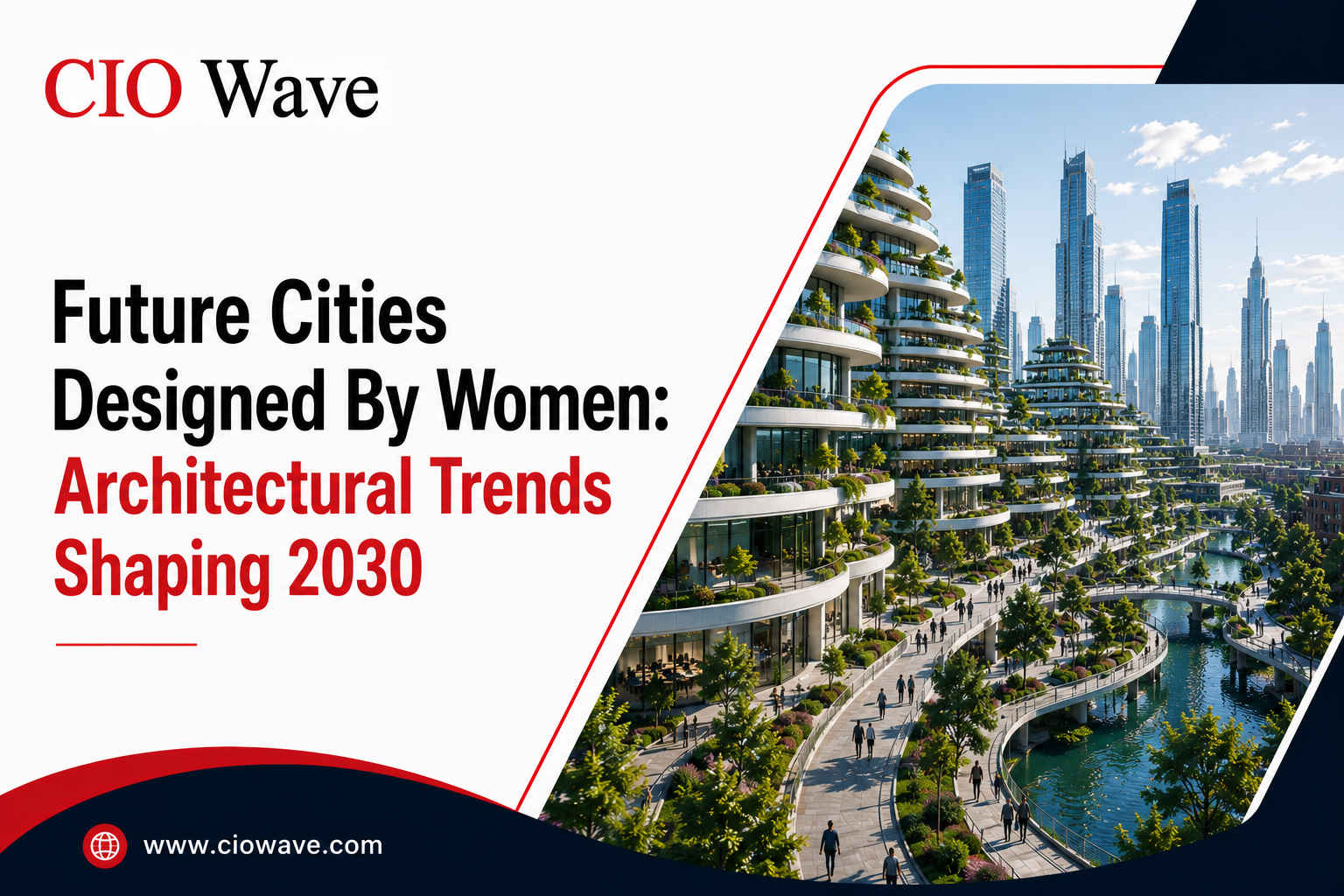
As the world rapidly urbanizes, the future of cities is being reimagined by a new generation of visionary women architects, urban planners, and design innovators. Their approach goes beyond creating impressive skylines; it focuses on building cities that are sustainable, inclusive, resilient, and deeply connected to human well-being.
By 2030, women-led architectural movements are expected to redefine how people live, work, and interact within urban environments. Their influence is shaping smarter infrastructure, greener public spaces, and communities designed with people at the center of every decision.
Designing Cities for People First
Traditional urban development has often prioritized vehicles, commercial expansion, and dense construction. Women architects are leading a shift toward human-centered design, where accessibility, safety, and quality of life become the foundation of urban planning.
Future cities will feature walkable neighborhoods, mixed-use developments, accessible public transportation, and community-focused spaces that encourage social interaction and well-being. The goal is not simply to build cities, but to create environments where people can thrive.
Sustainability as a Core Principle
Environmental responsibility is no longer optional. Women leaders in architecture are driving innovative solutions that reduce environmental impact while enhancing urban resilience.
Green roofs, renewable energy integration, sustainable building materials, water-efficient systems, and carbon-neutral construction methods are becoming standard features of future city design. These initiatives not only protect the environment but also improve the long-term economic viability of urban developments.
Smart Technology with a Human Touch
Technology continues to transform urban living, but the most successful smart cities will balance innovation with human needs.
Women architects are championing technology that improves everyday experiences—smart transportation systems, AI-powered energy management, responsive public spaces, and data-driven infrastructure that enhances safety and efficiency without compromising privacy or inclusivity.
Rather than technology dominating cities, it becomes a tool that supports healthier and more connected communities.
Inclusive and Equitable Urban Spaces
One of the most significant contributions of women-led urban design is the focus on inclusivity. Future cities are being planned to accommodate diverse populations, including children, seniors, individuals with disabilities, and underserved communities.
Design strategies increasingly prioritize accessibility, safety, affordable housing, and equal access to public resources. By creating spaces that work for everyone, architects are helping cities become more equitable and socially sustainable.
The Rise of Wellness-Oriented Architecture
The connection between physical environments and human health has never been more evident. Women designers are integrating wellness-focused features into modern urban developments.
Natural lighting, green corridors, public parks, pedestrian zones, and biophilic design principles are becoming essential components of city planning. These elements support mental health, encourage active lifestyles, and foster stronger community engagement.
Resilient Cities for a Changing World
Climate change, population growth, and global uncertainties require cities that can adapt and recover quickly. Women architects are leading efforts to create resilient infrastructure capable of withstanding environmental and economic challenges.
From flood-resistant developments to adaptive public spaces and disaster-responsive architecture, resilience is becoming a defining characteristic of future urban landscapes.
Looking Ahead
As 2030 approaches, women are playing an increasingly influential role in shaping the cities of tomorrow. Their leadership is driving a new era of architecture that prioritizes sustainability, inclusivity, innovation, and human well-being.
The future city is not merely a collection of buildings and infrastructure—it is a living ecosystem designed to support people, protect the planet, and inspire generations to come.
The architects leading this transformation are proving that the future of urban development is not only smarter and greener, but also more compassionate, equitable, and visionary than ever before.