
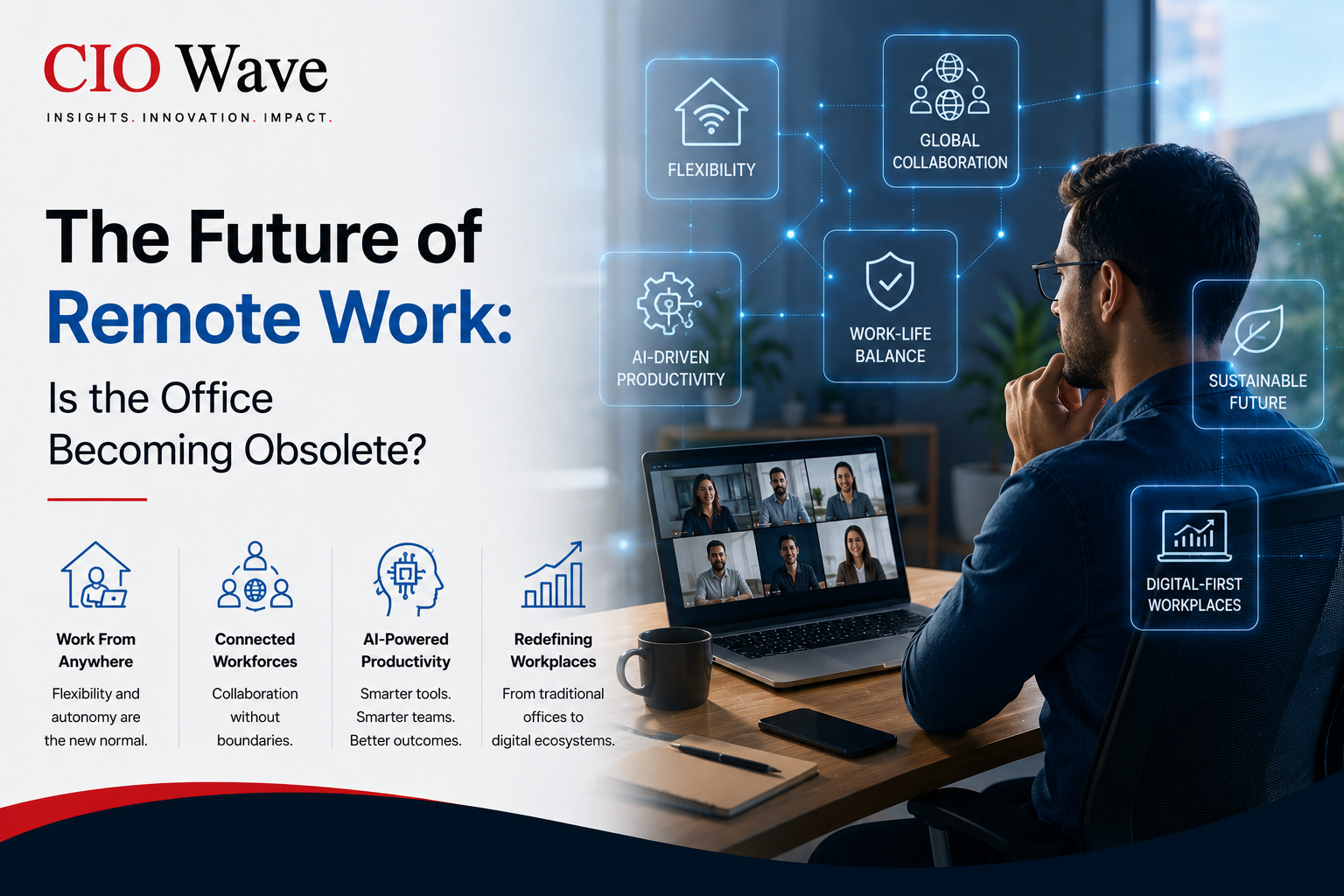
In recent years, the landscape of work has undergone a profound transformation, with remote work emerging as a dominant model for millions of professionals globally. What initially seemed like a temporary shift has now become a long-lasting change, prompting a key question: Is the traditional office becoming obsolete?
The Growth of Remote Work
While remote work has been gaining traction for years, the onset of the COVID-19 pandemic accelerated its widespread adoption. Many businesses had no choice but to pivot quickly, and it became evident that employees could maintain—or even enhance—their productivity from home. Technologies like Zoom, Slack, and cloud-based platforms made remote collaboration easier, further cementing remote work's place in modern professional life.
Advantages of Remote Work
Challenges of Remote-Only Work Environments
However, while remote work has its perks, it’s not without its hurdles:
The Hybrid Work Model: A Balanced Approach
As organizations consider their future workforce strategies, many are adopting hybrid models that combine remote and in-office work. This hybrid approach offers flexibility while retaining the benefits of in-person collaboration. Leading companies like Google, Microsoft, and Apple have already embraced hybrid policies, signaling that fully abandoning office spaces may not be the best solution.
The Future: A Shift, Not a Demise
While remote work is here to stay, it would be premature to declare the office “dead.” Instead, the role of the office is evolving. Workspaces are becoming more focused on collaboration, creativity, and social interactions, rather than being the sole location for daily tasks. The future of work will likely include a mix of remote, hybrid, and traditional office environments, each tailored to the specific needs of businesses and their employees.
Ultimately, the success of remote work will depend on how well organizations adapt, utilizing technology and rethinking conventional workplace practices. Instead of eliminating offices, we are witnessing the rise of a more adaptable, dynamic, and employee-centered approach to work.
What’s your perspective? Do you think the office will eventually fade, or will it always remain a key element of corporate life?